Not all batteries are the same. Here's what matters for your site.
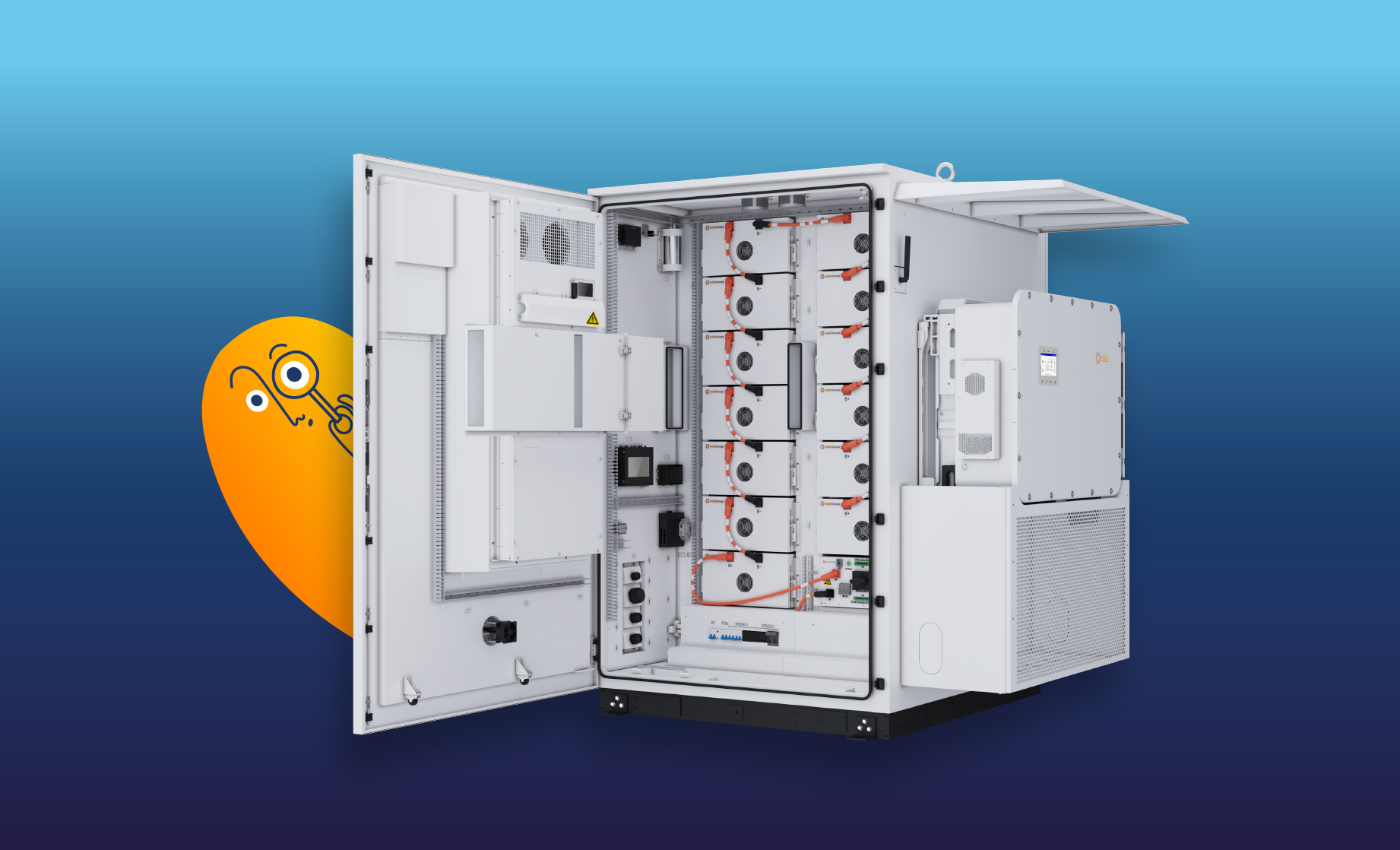
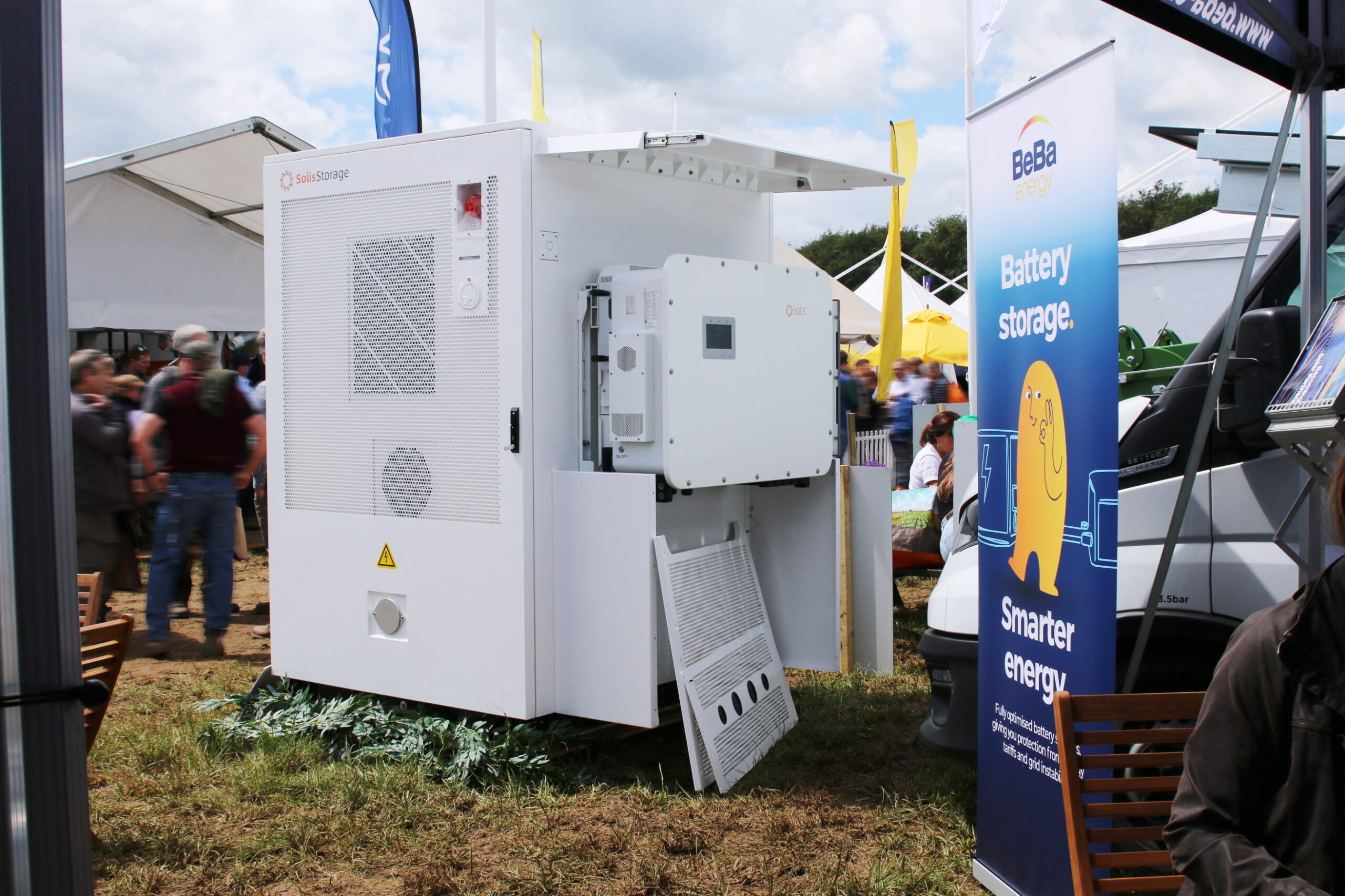
This article covers the three main areas where a commercial battery generates value, and the practical questions worth working through before you proceed.
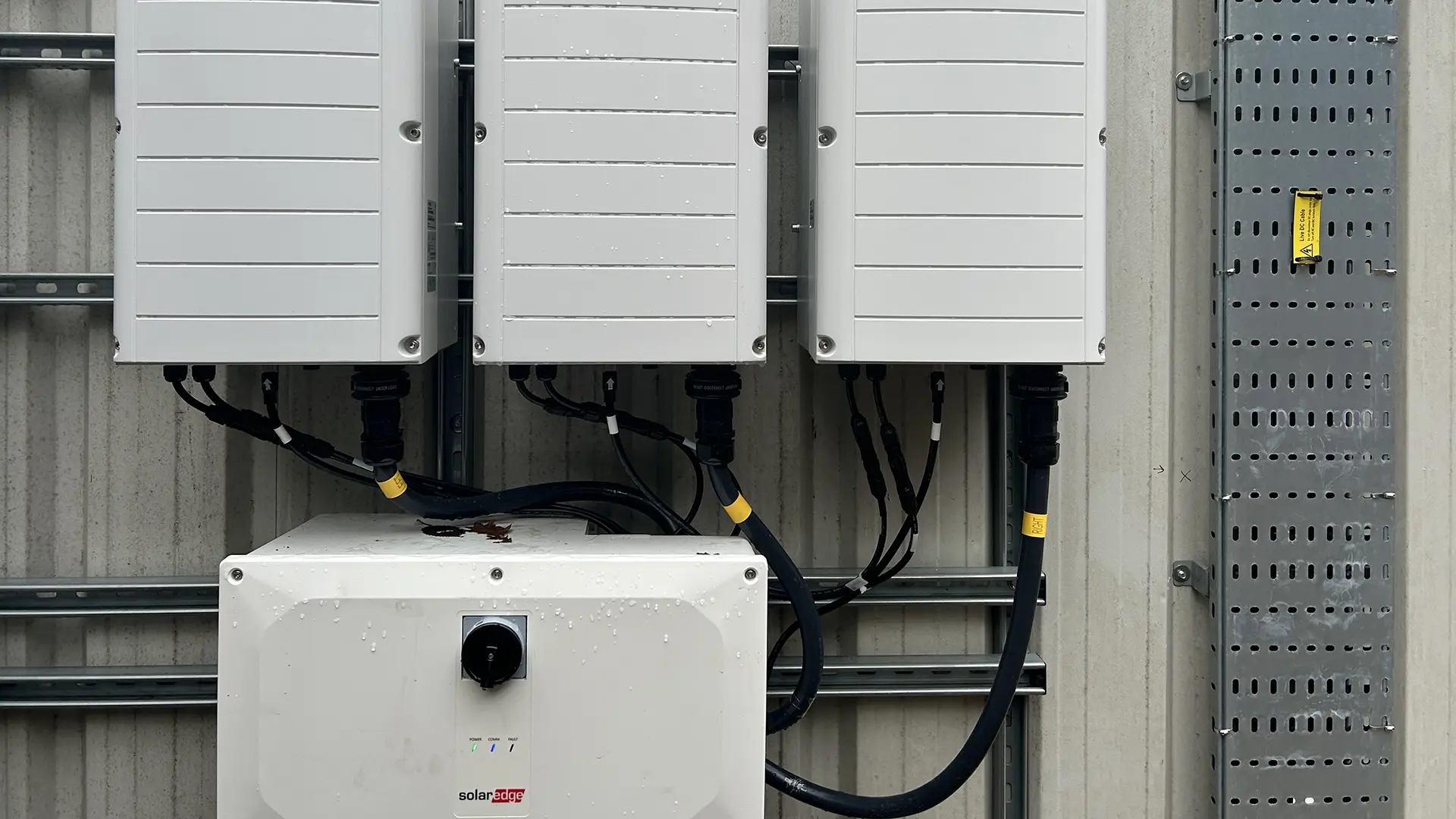
Battery storage modelling means building a half hourly battery simulation that reflects your load profile, your specific tariff, and the real dynamics of your site.
Battery storage has moved from a niche technology to a mainstream consideration for commercial and industrial energy users in the UK.
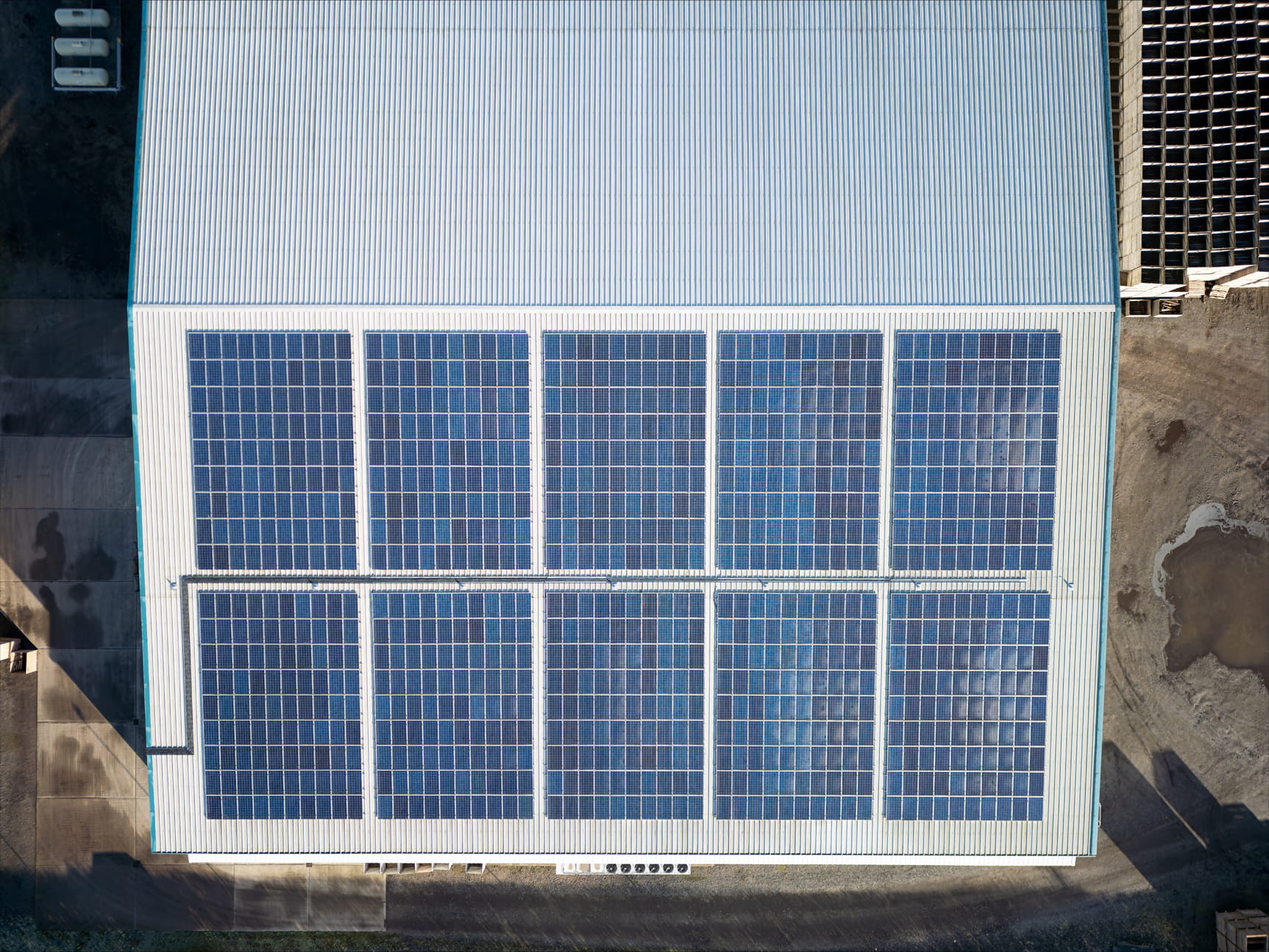
Commercial solar PV is the smartest way for UK manufacturing businesses to reduce their rising energy costs.
The manufacturing businesses feeling the least pressure right now are the ones generating a meaningful portion of their own electricity with on-site solar.
While the FiT era (2010–2019) created a boom in domestic and commercial solar installations, many of those systems are now showing signs of neglect, putting both energy generation and long-term financial returns at risk…
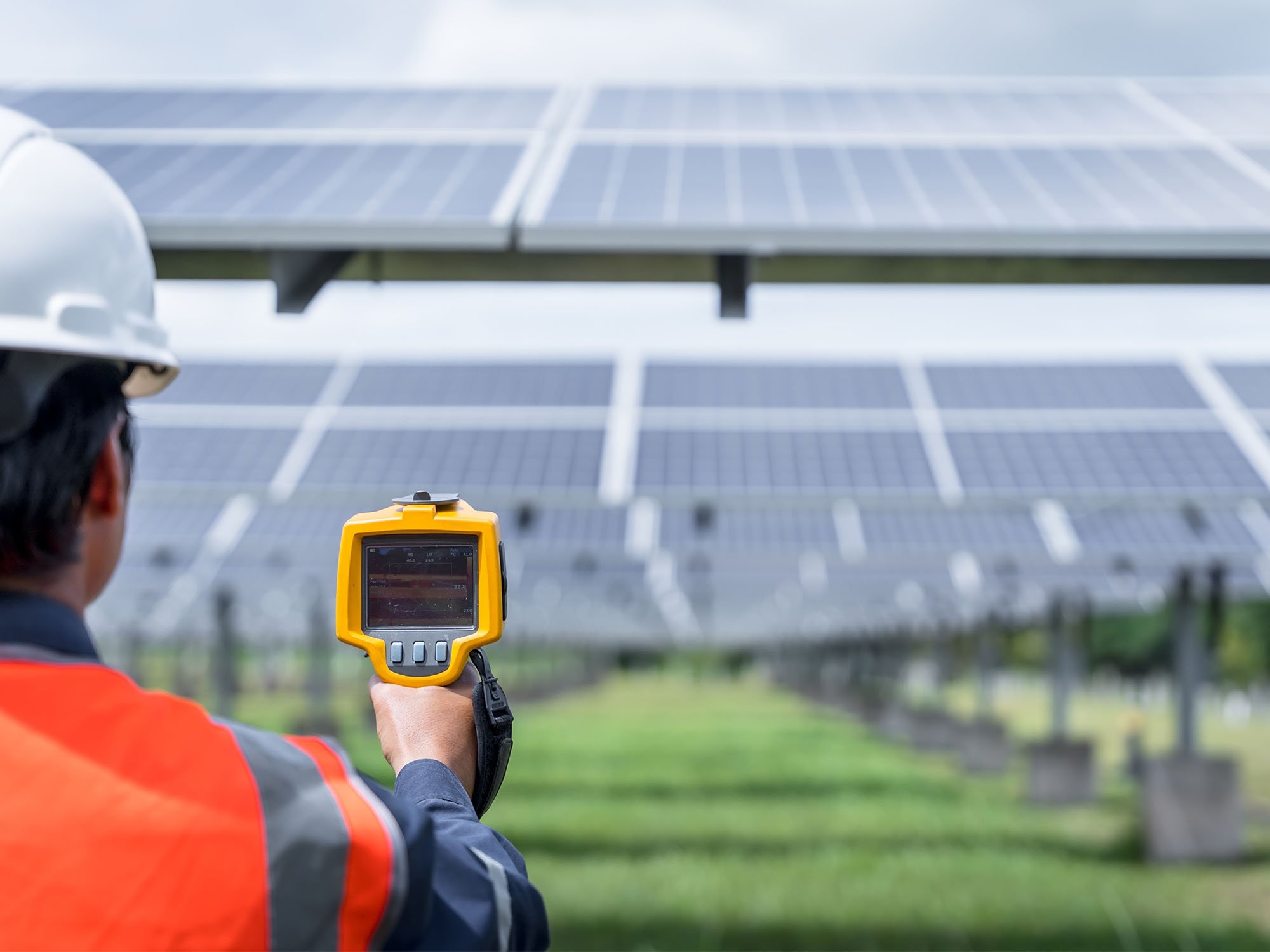
It’s important to note that whilst solar energy generation assets require relatively little maintenance, it is not a ‘fit-and-forget’ technology. Like any piece of complicated equipment it will need regular maintenance
With a recent 10% increase in the UK energy price cap, businesses are feeling the pinch of higher energy costs. Investing in a commercial solar PV system offers an effective way to stabilise expenses, protecting your business from the ups and downs of energy pricing. Why invest in solar now? As the energy landscape continues […]
It’s been the Holy Grail of energy security for many years now, but is battery storage about to make that all-important breakthrough?
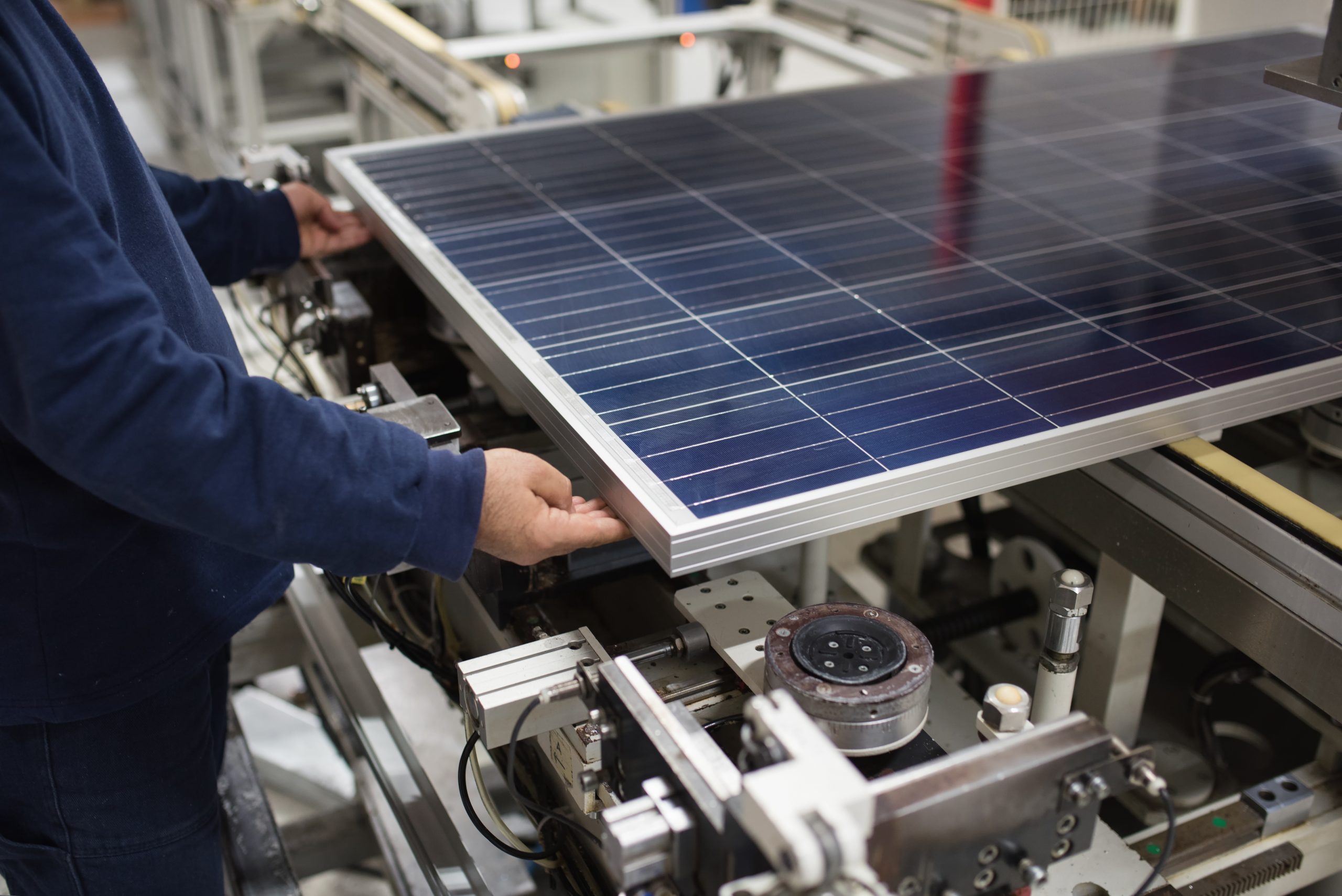
It’s fair to say that when it comes to developing a solar array on your buildings/land, it can be something of a minefield. When it comes to deciding which panel/manufacturer to work with it can be helpful to work through a process of elimination.
With electricity prices rising steeper and faster than ever, many businesses are keen to take steps today to protect themselves.
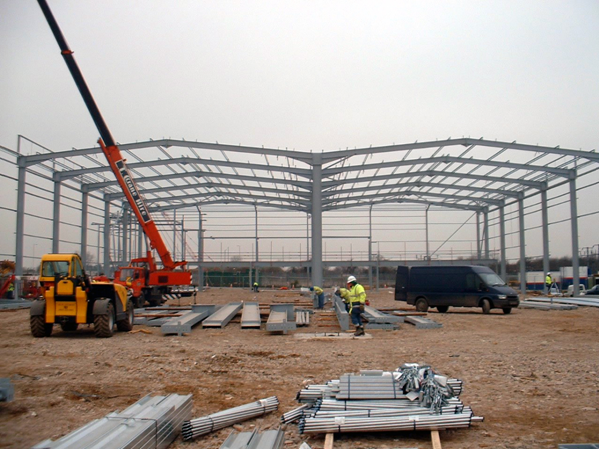
Although prices are increasing almost overnight, it can take up to 12 months to correctly develop, design and deliver a commercial-scale solar PV system.
This blog delves into the milestones and timescales involved in developing a solar PV system, and what can be done to speed it up
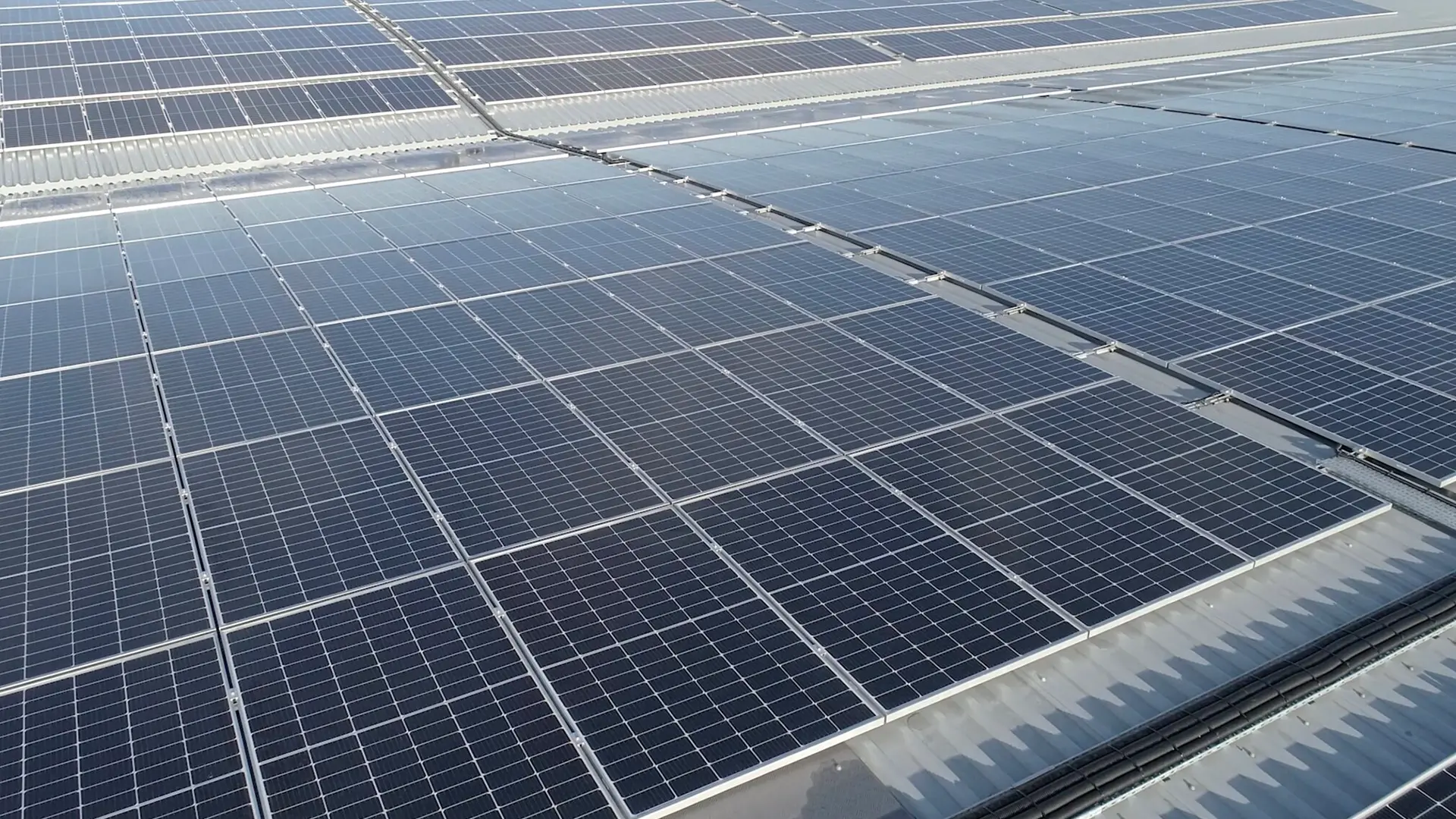
Solar panel systems are designed to remain in-situ for upwards of 30 years. With this in mind - if the system is going on a roof - it is important to ensure that the chosen building can cope with the additional weight of the solar panels as well as what ever else mother nature can throw at it.
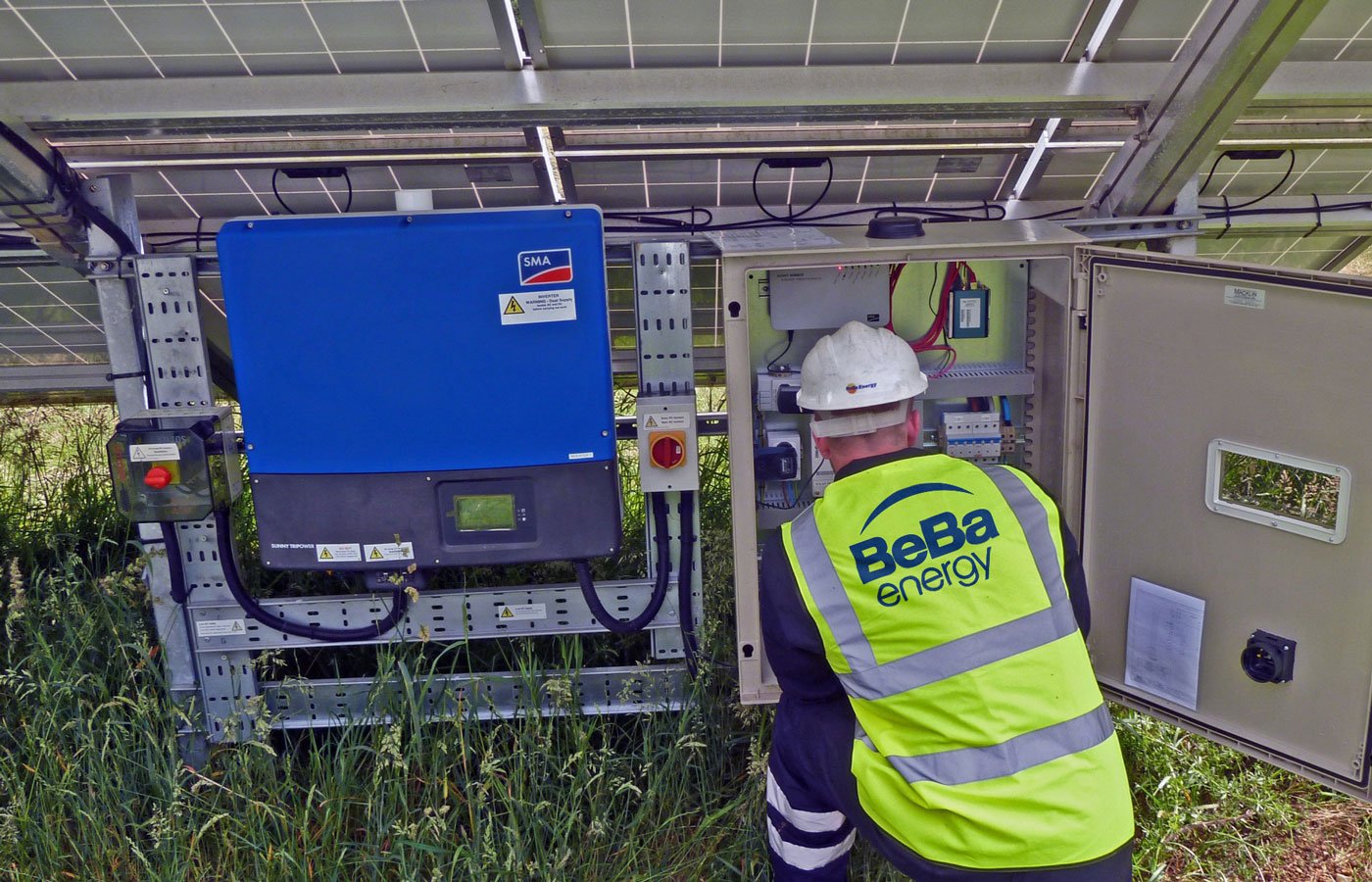
It’s important to note that whilst solar energy generation assets require relatively little maintenance, it is not a ‘fit-and-forget’ technology. Like any piece of complicated equipment it will need regular maintenance
Time is running out - don’t lose your share of the tax breaks for investing in solar power! Did you know that there are a number of tax incentives for businesses investing in green power?
Thanks to the UK’s successful vaccine rollout, there appears to be light at the end of the tunnel. With this in mind, after nearly 18 months hibernation, BeBa Energy are ready to hit the road! We will be exhibiting at the following industry shows – come and say hello!
For many businesses that installed solar panels between 2010 – 2015 it was something of a gamble. Solar was far from a proven technology in the UK, and the cost of the installation was very high. As a result, many businesses did not necessarily realise the full potential of their roof or land as they chose to invest based upon a budget, the ‘FIT bands’ and their appetite for risk.
BeBa Energy are proud to have a dynamic team of individuals. The first in our series of Meet the Team articles introduces our Project Administrator, Megan Fulham.
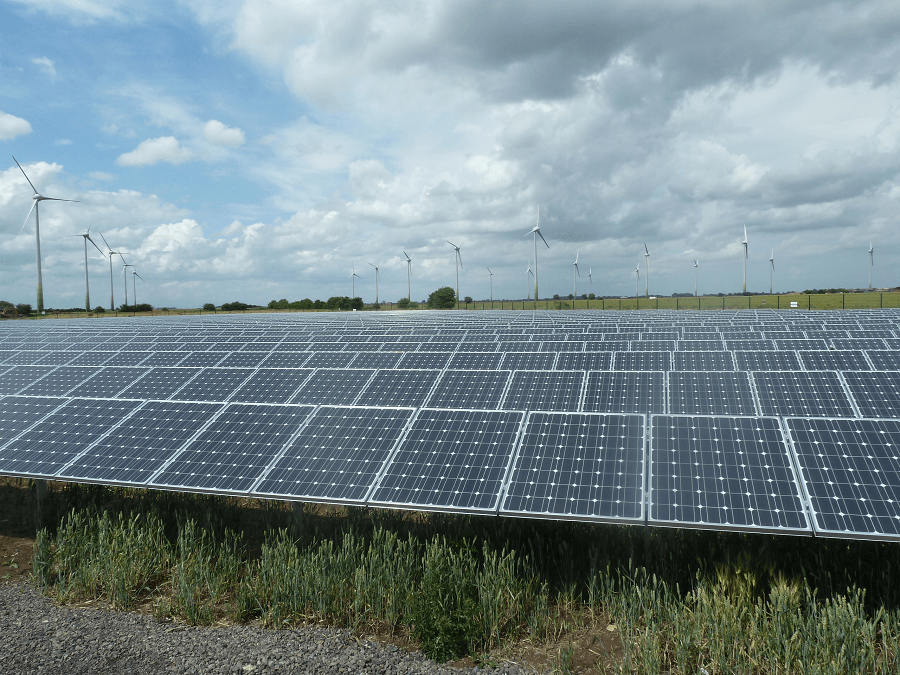
As the efficiency of solar panels has increased, the interest and economic viability of solar farms is on the rise once again.
In order to understand if solar is still worth it, it’s probably a good idea to give some background and explain why the questions in phrased that way.